It’s natural to ask someone to look toward the camera. The instruction is quick, familiar, and easy to understand. It also changes what was happening just before the words were spoken.
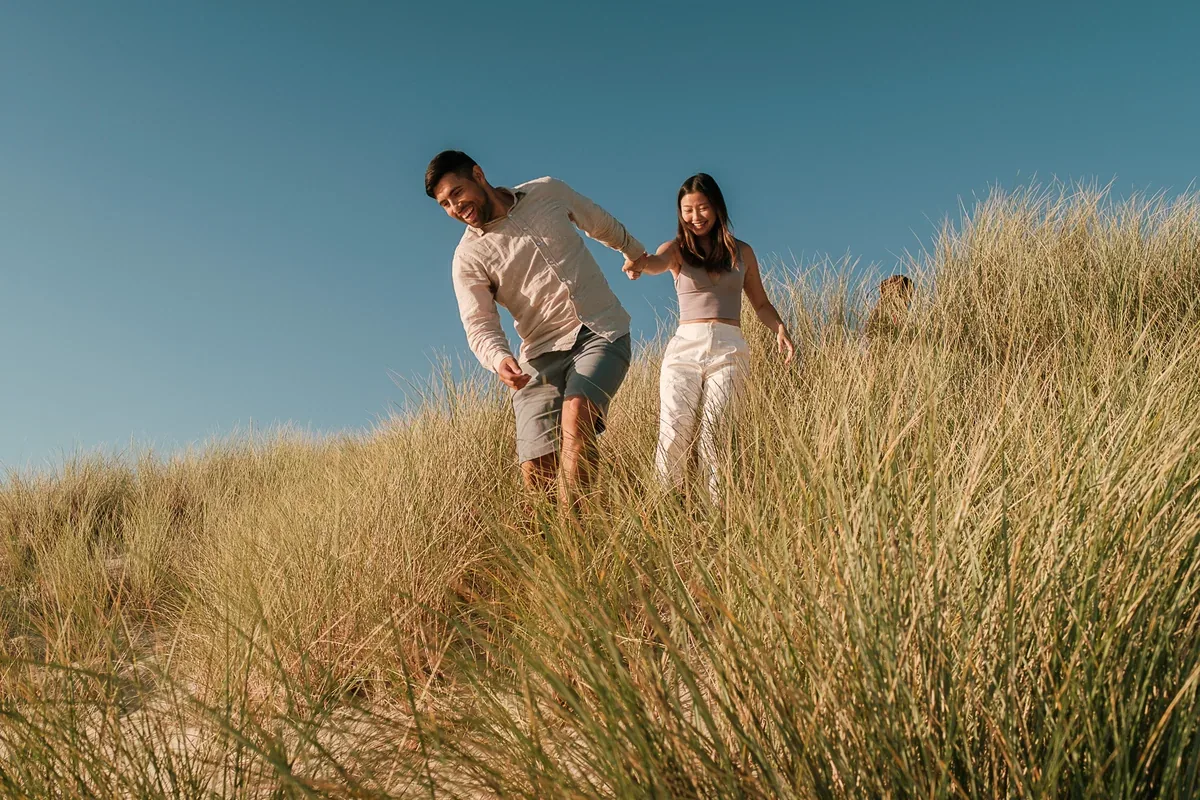
When I stopped interrupting as often, I noticed more. A child could stay absorbed in what they were doing. A parent could remain part of the interaction instead of turning it into a pose. The photograph became less about acknowledging me and more about the relationship in front of me.
Attention instead of direction
Documentary family photography asks me to anticipate rather than arrange. I watch where people are moving, how the light changes, and what a gesture might become a second later. There is still a person making choices behind the camera. The difference is that the family doesn’t have to perform those choices.
This approach also gives children room to be children. They can be curious, serious, tired, suspicious, or delighted without being asked to replace that expression with a smile.
When a portrait still matters
There can still be a place for a photograph in which everyone is visible. I just don’t want that request to interrupt every good moment. A family gallery can hold a clear record of who was there while leaving plenty of room for the day to unfold on its own.
The shift is quiet. I say less, watch more, and let the family show me what matters.